At a glance
- Three main types: rising damp, penetrating damp and condensation
- Maltese globigerina limestone is porous and soaks up water and salts
- Cement plaster and gypsum on old stone walls often trap damp and make it worse
- Fix the water source first, then the finishes
- Winter humidity in Malta is high, so ventilation matters as much as repairs
Why Maltese homes get damp
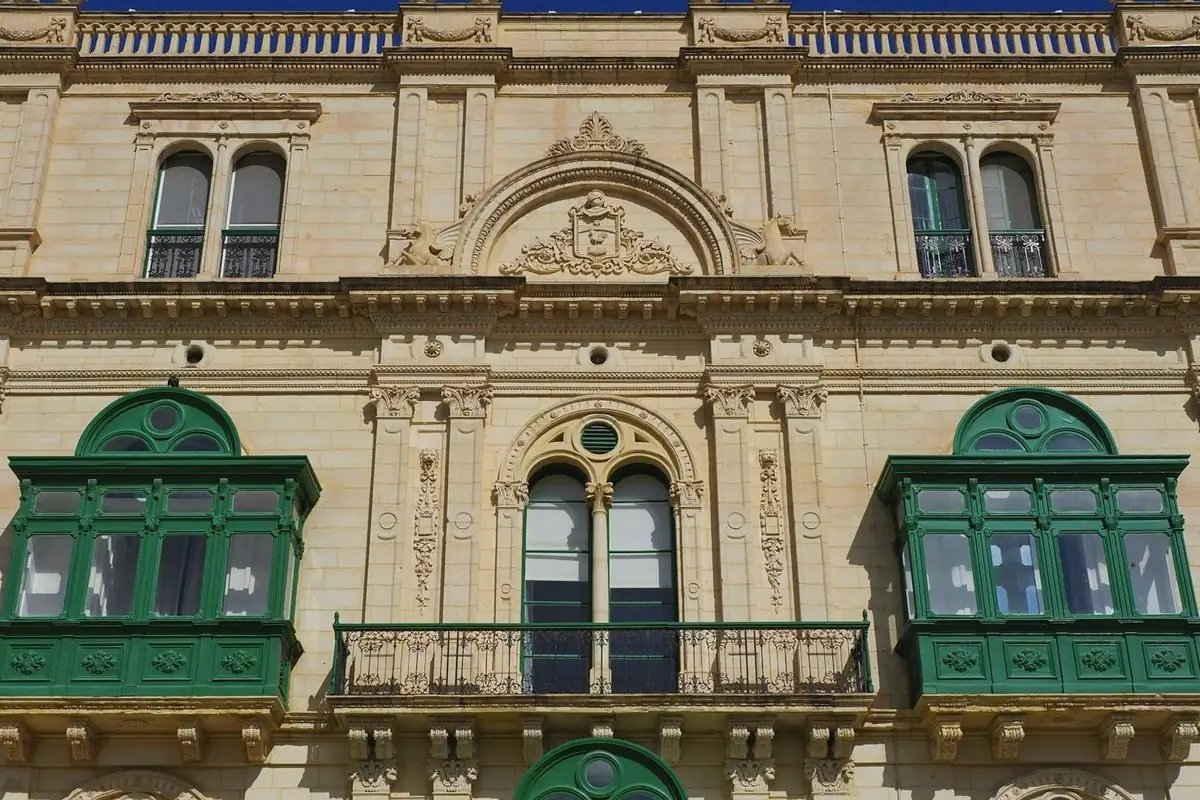
Older houses in Malta are built from globigerina limestone, a soft, porous stone that soaks up water and the salts that come with it. Add winter humidity that often sits high, roofs that leak, and homes that are closed up for months, and damp follows.
The three types
- Rising damp: water drawn up from the ground into the base of the walls. Look for a tide mark up to about a metre high, crumbling stone and salt crystals on the surface.
- Penetrating damp: water coming in from outside, through a leaking roof, cracked façade, faulty drainpipes, balconies or open joints. Patches appear after rain and grow in winter.
- Condensation: moisture from cooking, showers, drying clothes and breathing that settles on cold walls. Shows up as black mould in corners, behind wardrobes and on window frames.
Fixes that work
- Rising damp: remove cement plaster and gypsum from the base of the walls, let the stone breathe, and re-plaster with lime-based or breathable renovation plasters. Improve drainage outside. Injected damp-proof courses can help in some cases, but get advice first.
- Penetrating damp: fix the source: waterproof the roof, repoint the façade, repair balconies and replace leaking pipes. Then dry out and repair the finishes.
- Condensation: ventilate, especially kitchens and bathrooms; use extractor fans, a dehumidifier in winter, and avoid drying clothes indoors. Insulation and better glazing reduce cold spots.
What doesn't work
- Painting over damp with "anti-damp" paint without fixing the cause
- Covering stone walls with cement plaster or plasterboard, which traps the moisture behind it
- Bleaching mould without improving ventilation
Buying an old property?
Damp is common in townhouses and houses of character, and it's fixable, but price it in before you buy. Check our guide to the first-time buyer grant for UCA and vacant properties, which can help with the cost.
How we help
We find the cause, then manage the repair from the outside in: roof, façade and drainage first, then the walls and finishes. You get an itemised price and photos at each stage.
This guide is general information. Serious cracking, crumbling stone or rusting steel should be checked by a perit.
Frequently asked questions
What causes damp in Maltese houses?
Usually one of three things: rising damp from the ground, penetrating damp from leaks in the roof or façade, or condensation from moisture inside the home. Porous limestone and high winter humidity make all three common.
Does anti-damp paint work?
Not on its own. It hides the problem for a while, but the damp comes back unless the cause is fixed.
Can damp in limestone walls be fixed?
Yes. Fix the water source, remove plasters that trap moisture, and use breathable lime-based plasters so the stone can dry out.