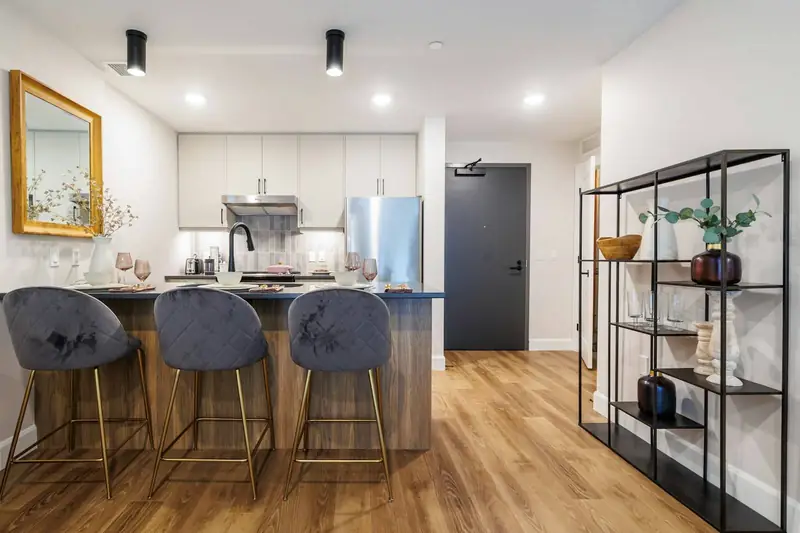
Finishes are what you see every day, and they depend on getting the sequence right. We coordinate every finishing trade so plaster is dry before paint, services are tested before tiles go down, and the result looks the way it did on the drawings.
What's included
- Plastering, skimming and painting
- Gypsum ceilings, bulkheads and partitions
- Electrical and plumbing installations by licensed trades
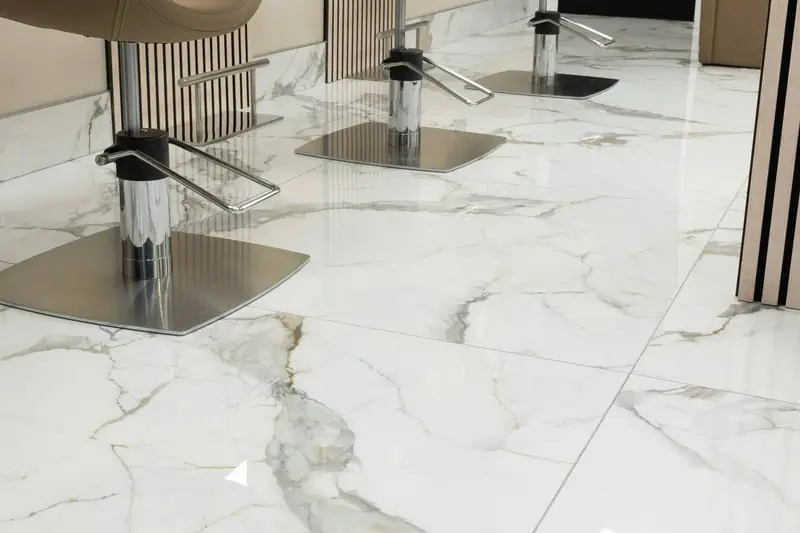
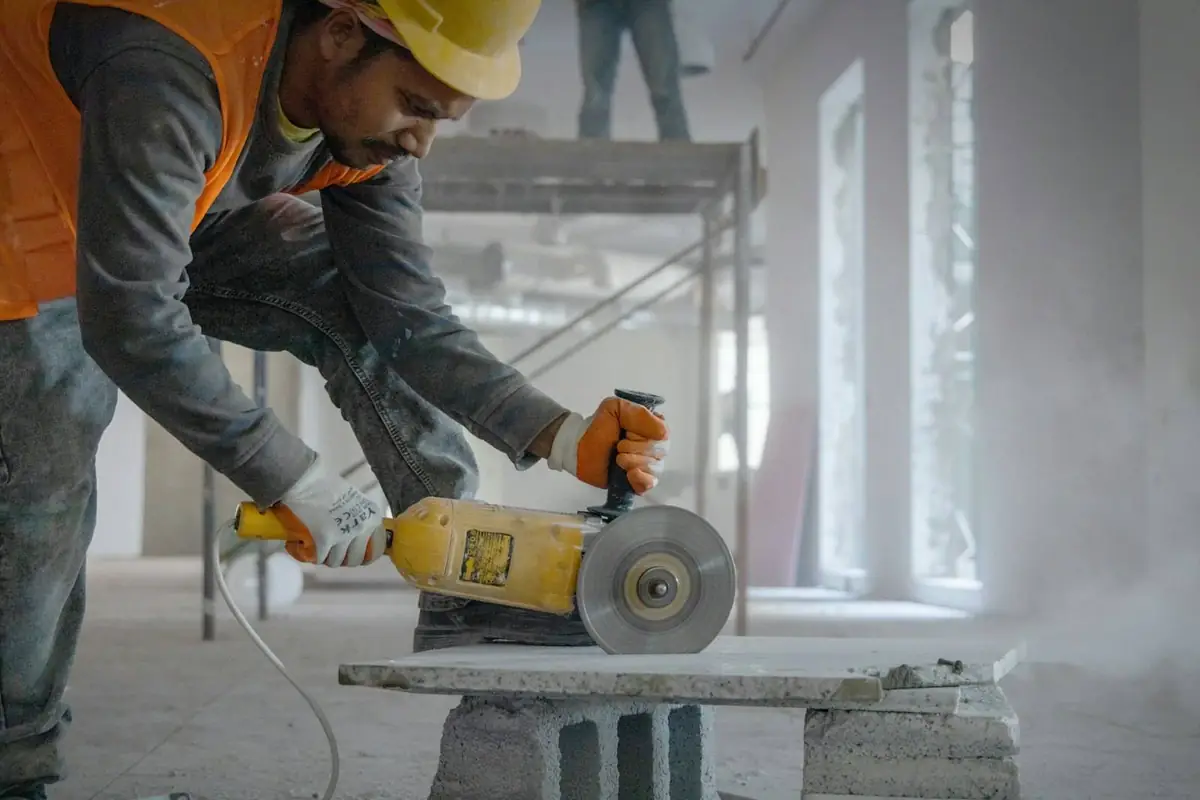
- Floor and wall tiling, including large-format porcelain
- Microcement floors, walls and bathrooms
- Kitchens, wardrobes and bespoke joinery
- Final touch-up and snagging
The right order for finishes
Good finishes come down to sequence. Doing a step too early is the most common reason for cracked paint, hollow tiles and stained microcement. On a typical apartment we follow this order:
- First fix: electrical conduits, plumbing and drainage, tested before anything gets covered.
- Walls and ceilings: plastering, gypsum partitions and ceilings, then enough drying time.
- Floors: screeds levelled and dry before tiling or microcement goes down.
- Surfaces: tiling, microcement and bathroom waterproofing.
- Joinery and kitchens: doors, wardrobes and kitchens fitted once the wet trades are finished.
- Second fix and paint: sockets, lights, sanitaryware, final coats of paint.
- Snagging and clean: a room-by-room check, then a proper post-construction clean.
We book each trade for the right moment so nobody waits around and nothing gets damaged by the next trade in.
Who we work with
Frequently asked questions
Do you supply materials or do I choose them?
Either. You can choose everything yourself and we coordinate delivery and installation, or we can suggest suppliers and options within your budget.
Is microcement a good choice for Maltese homes?
It works well for floors, showers and feature walls when the base is prepared properly and it's sealed correctly. We'll tell you honestly where it suits and where tiles are the better option.
Can you finish a shell-form apartment?
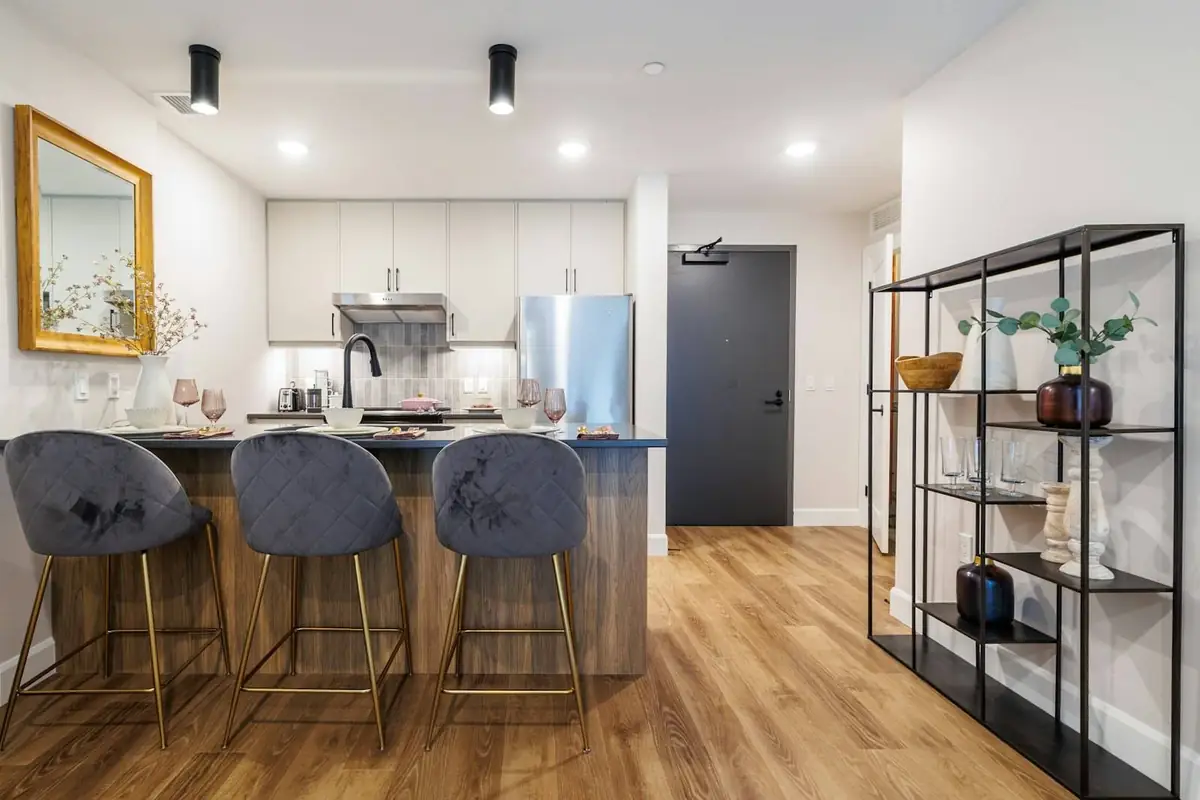
Yes. Taking an apartment from shell to move-in ready is one of our most common jobs, and it's where coordination of trades saves the most time.