1. Do you need a permit?
Building and engineering works in Malta generally need a development permit from the Planning Authority under the Development Planning Act (Chapter 552). Applications go through public consultation, and permits often come with conditions that the works must follow.
Some smaller jobs don't need a full permit. They fall under the Development Notification Order (DNO), which covers certain classes of "permitted development", such as some minor internal alterations. With a DNO, the Planning Authority's job is to confirm the works fit one of those classes. It doesn't issue a full permit.
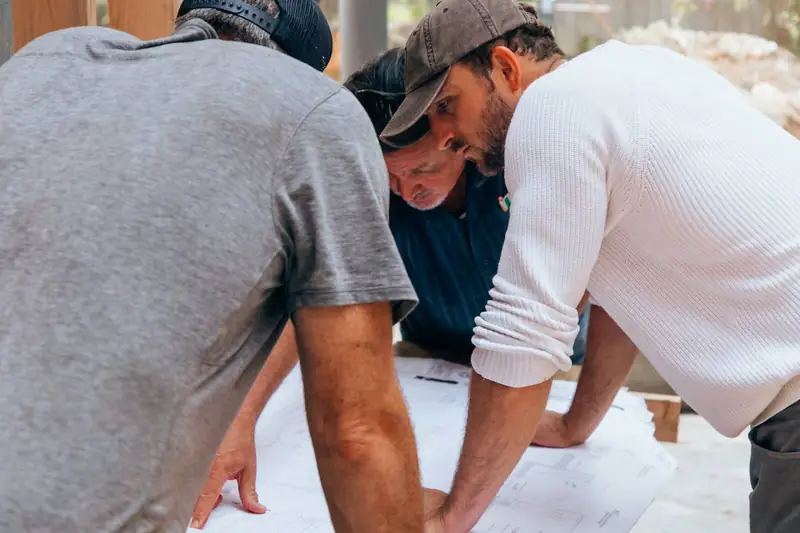
Your perit (architect) decides which route your project takes. In Malta, a perit is responsible for the design, the permit application and the structural side of the work.
2. The commencement notice
Once a permit is in place, your perit submits a commencement notice at least five days before works start or the permit is used. Permit fees and any infrastructure contributions are also paid at this stage.
3. Protecting your neighbours
Since 2019, Malta has had specific rules to avoid damage to neighbouring property. They apply to works like:
- excavation where a neighbour's property falls within the affected zone
- demolishing a structure that adjoins, lies under or over a neighbour's property
- building new floors, load-bearing walls or new buildings next to or over third-party property
For these works (under the Avoidance of Damage to Third Party Property Regulations, S.L. 623.06):
- The perit prepares a method statement and condition reports of the neighbouring properties, uploaded to the Building and Construction Authority (BCA) at least two weeks before works start. Neighbours receive a copy of their condition report by registered letter.
- The contractor nominates a site technical officer, a perit or engineering graduate accepted by the perit in charge, who enforces the method statement on site.
- The developer needs third-party insurance of at least €750,000 (since 2024 under S.L. 623.11) and a bank guarantee of €3,000 per storey of each neighbouring property for the first five properties, plus €1,000 for each extra property, up to €40,000.
- Works can only start once the BCA gives written clearance.
For projects whose planning application was submitted from 1 January 2023, demolition and excavation also need a waste catalogue listing each type of waste and where it goes, sent to the BCA with the method statement and condition reports.
4. Only licensed contractors
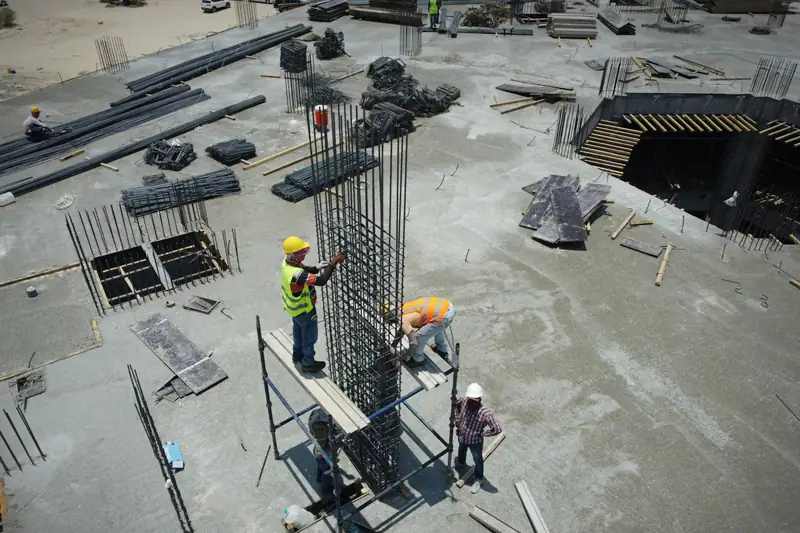
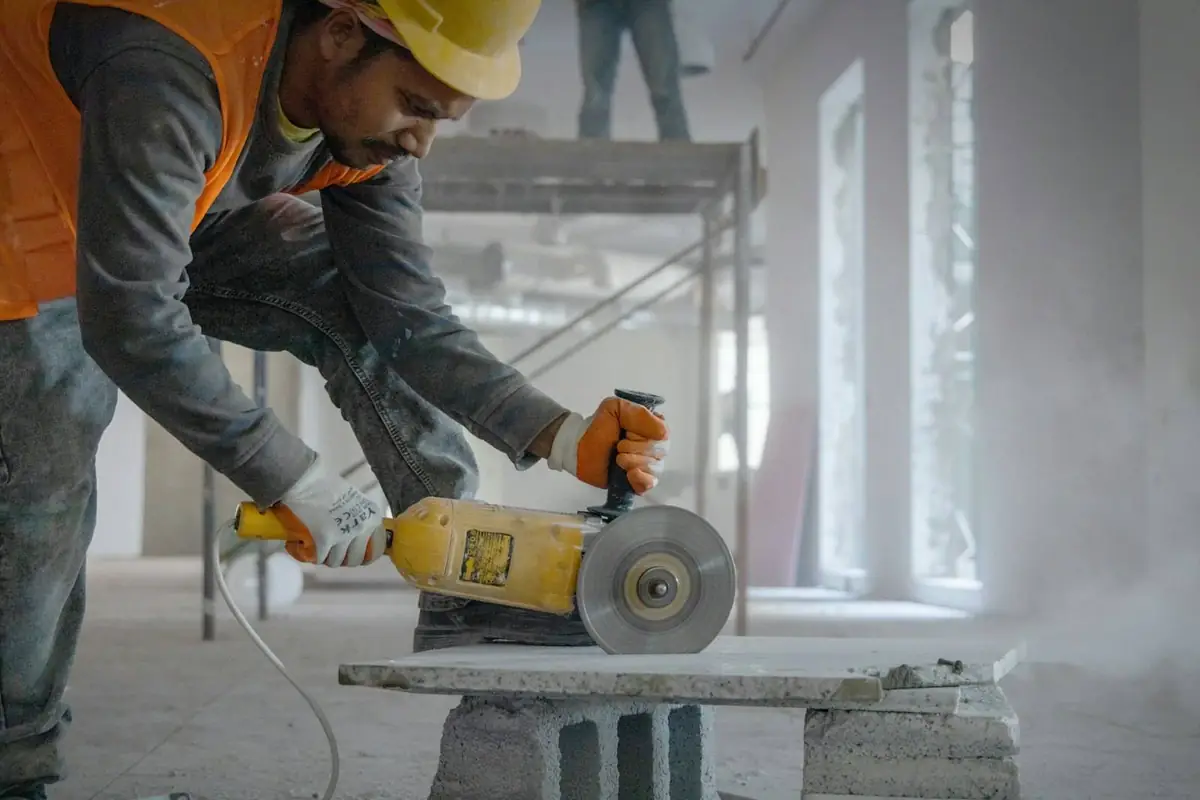
Under the Construction Industry Licensing Regulations (S.L. 623.09), contractors doing demolition, excavation or construction work must hold a BCA licence, enforced since 1 July 2025. Licences are renewed every two years, and contractors without one are stopped from working. Always ask to see the licence before you sign anything. More on contractor licensing.
5. Health and safety on site
Under the construction-site health and safety regulations (S.L. 646.27, in force since September 2025), the client appoints a Project Supervisor for Health and Safety from the Occupational Health and Safety Authority's (OHSA) register before works start. The supervisor prepares a health and safety plan, and the client keeps a health and safety file. Bigger jobs (over 30 working days with more than 20 workers at once, or over 500 person-days) must give OHSA four weeks' notice. Small domestic jobs with a single contractor and no particular risks can be exempt from appointing a supervisor.
6. Mind the summer stop
Every summer, demolition and excavation are banned in selected tourist zones. In 2026 the stop runs from 15 June to 30 September. If your property is in or near a tourist area, plan the heavy works for the rest of the year. Read the summer ban guide.
Where a project manager fits in
Your perit handles the design, the permits and the structural sign-off. A project manager like YPS Malta runs the job day to day. We coordinate the licensed trades, keep the paperwork and safety measures in place, track the budget and keep you updated, so the project moves without you having to live on site.
This guide is general information, not legal advice. Rules change, so confirm the requirements for your project with your perit.
Frequently asked questions
Do I need a permit to renovate in Malta?
It depends on the works. Many internal alterations can go through a DNO, while new floors, extensions, more units or a change of use need full planning permission. Your perit will advise.
What does the BCA need before works start?
For excavation, demolition or building next to neighbours: a method statement, condition reports, a site technical officer, insurance and BCA clearance, all at least two weeks before works start.
Sources
- Legislation.mt – S.L. 623.06 Avoidance of Damage to Third Party Property Regulations
- Legislation.mt – S.L. 623.11 Construction Sites Insurance Obligations Regulations
- Legislation.mt – S.L. 623.09 Construction Industry Licensing Regulations
- Legislation.mt – S.L. 646.27 Health and Safety at Work (Construction Sites) Regulations
- Mondaq – Construction in Malta (legal overview)
- Kamra tal-Periti – Development Notification Order updates
- BCA – Circular on the Construction Management Site Regulations
- Malta Tourism Authority – Summer stop on demolition and excavation 2026